

Neuropsychological Evaluations
What is Neuropsychology?
A neuropsychological evaluation is an assessment of an individual’s cognitive, learning, and social-emotional strengths and challenges. It includes clinical interviews, review of past records, the administration of standardized tests, and discussion with collaterals (e.g., teachers, physicians) to obtain a comprehensive understanding of the individual.
Such evaluations help explain a person’s abilities including their intelligence, academic skills, language, fine-motor skills, attention, executive functioning, memory, adaptive behavior, and social-emotional development.

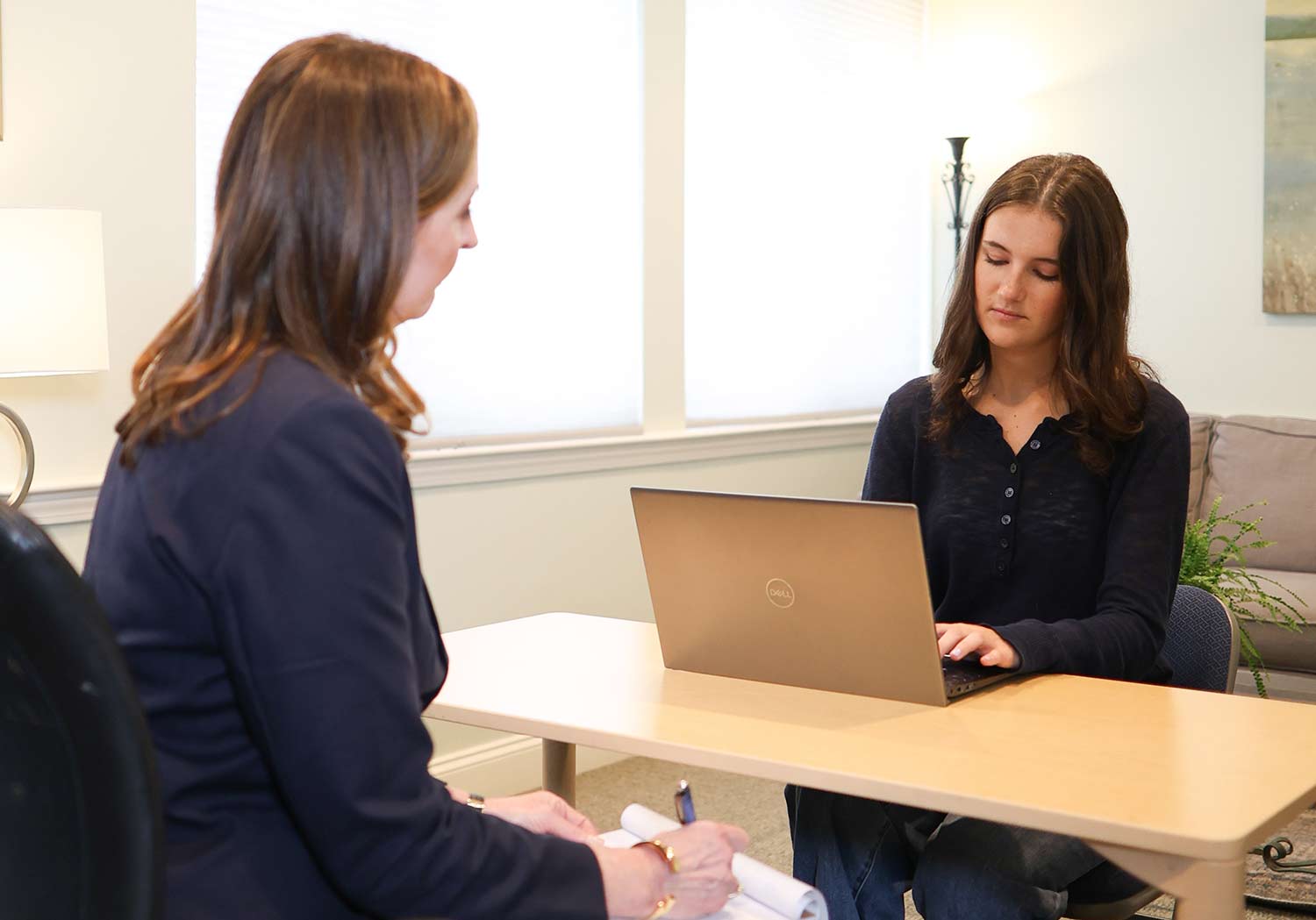
Our Expertise in Neuropsychological Evaluations
At the Portsmouth Neuropsychology Center, our clinicians have decades of experience administering and interpreting neuropsychological tests. This depth of experience enables us to refine our assessment process and deliver care that is individualized, thoughtful, and comprehensive.
Qualified
Psychologists at the Portsmouth Neuropsychology Center complete extensive specialized training, including internship and postdoctoral training. Their expertise includes in-depth knowledge of neuropsychology, brain–behavior relationships, developmental/neurological conditions, and psychopathology across a wide range of ages and clinical conditions.
Compassionate
Our team approaches every evaluation with care and sensitivity. Whether working with children, adolescents or adults, we aim to create a supportive and respectful experience, meeting clients where they are emotionally and developmentally throughout the process.
Collaborative
Clinicians at the Portsmouth Neuropsychology Center value collaboration with other professionals involved in a client’s care, including school personnel and healthcare providers. When appropriate, we work closely with these teams to support educational planning and treatment recommendations.
Understanding how an individual functions across different settings allows us to provide more meaningful and practical guidance.
Ready to book your intake appointment or looking for more info?
Benefits of a Neuropsychological Evaluation
A neuropsychological evaluation may be helpful when a child, adolescent, or adult is experiencing difficulties with learning, attention, memory, behavior, emotions, or social functioning. Evaluations are often sought when there are concerns about academic progress, developmental milestones, mood or behavior changes, or challenges in everyday functioning at home, school, or work.
The concerns that lead individuals or families to seek an evaluation can arise from a range of neurological, developmental, medical, or emotional conditions.




Examples include the following:
- Autism Spectrum Disorders
- Attention-Deficit/Hyperactivity Disorder (ADHD)
- Executive Dysfunction
- Reading Disability (Dyslexia)
- Math Disability (Dyscalculia)
- Writing Disability (Dysgraphia)
- Mood and Anxiety Disorders
- Nonverbal Learning Disorder
- Intellectual Disability
- Developmental Delay
- Traumatic Brain Injury
- Medical Disorders (e.g., Epilepsy)
Because individuals often experience overlapping concerns, neuropsychological evaluations help clarify the underlying factors contributing to current difficulties. Some families seek an evaluation because a toddler is not meeting developmental milestones, while others seek assessment for a school-aged child struggling academically or an adult experiencing changes in memory or thinking.
Regardless of age or referral question, we focus on understanding the whole person—not just a diagnosis—by gathering information from families, teachers, significant others, and other providers when appropriate.
Are you new to Neuropsychological Evaluations?
For many of our clients, this is their first experience with neuropsychological testing. We understand that the process can feel unfamiliar, and our team is here to guide you or your child through each step. We encourage you to review our FAQs below to learn more about what to expect.
Learn more about what to expect during testing
Neuropsychological Evaluation FAQs
Q: If my child is having academic difficulties, can’t I just have his or her school psychologist do an evaluation?
ANSWER:
In some situations, an evaluation conducted by a school psychologist can be helpful. Clinicians at the Portsmouth Neuropsychology Center respect the important role school psychologists play and welcome collaboration with school teams when appropriate
There are, however, important differences between evaluations conducted through a school district and those completed at the Portsmouth Neuropsychology Center:
First, our clinicians complete advanced, specialized training in neuropsychology and brain–behavior assessment beyond what is required for school-based roles.
Second, neuropsychological evaluations are typically more comprehensive, examining a broad range of cognitive, academic, and social-emotional functioning and offering detailed, individualized recommendations.
Third, clinicians at the Portsmouth Neuropsychology Center are able to diagnose clinical conditions, which is outside the scope of practice for most school psychologists in their role on a school team.
Q: What is the best way to prepare my child for the evaluation?
ANSWER:
- Familiarize them with the process: We recommend telling your child in advance of the first testing session that he or she will be receiving an evaluation. You can say they will be receiving a “learning and mood check-up” and that the clinician will be administering a variety of paper-and-pencil and computerized tasks and talking with your child about their mood and behavior.
- Allay their fears: As young children may believe they are seeing their regular doctor and may get a shot, please let them know they will not receive any shots during the evaluation.
- Rest up: Please make sure your child obtains a good night’s sleep the night before the evaluation and proper nutrition the day of the evaluation. If your child is feeling sick the day of the testing please call to reschedule.
- Bring a snack: During the testing sessions, your child will receive breaks, and he or she can bring a snack and drink for when breaks are taken.
Q: Should the person being evaluated take prescription medication on the day of the evaluation?
ANSWER:
During the intake meeting, your clinician will review medications that are being taken and talk with you about whether you or your child should take medications on the day of the evaluation.
Q: How long does the process of the neuropsychological evaluation last, from the intake meeting to the time I have the report?
ANSWER:
On average, it takes approximately one month from the time of the intake to the time of the feedback session. Please note that this timeline is heavily dependent on the client’s availability for testing sessions and ability to receive questionnaires and input from others in a timely manner. Reports are generally available at the time of the feedback. In some situations our providers may discuss certain aspects of the results during the feedback and then finalize the report within the following week.
Q: What is the role of the psychometrist in my child’s evaluation?
ANSWER:
Psychometrists at the Portsmouth Neuropsychology Center are trained in administering and scoring neuropsychological tests. They are not involved with test interpretation or diagnosing, which is handled entirely by our team of psychologists.
Q: If my child is receiving a neuropsychological evaluation, do I wait in the office?
ANSWER:
Your clinician will let you know whether it makes sense for you to stay in the waiting room or if it is OK to leave depending on the age and clinical needs of your child.
Q: After the neuropsychological evaluation has been completed, are you still available if we have questions?
ANSWER:
Absolutely. Our process doesn’t end when we hand over your results. Your clinician is available to talk through any questions you may have. If you need a more in-depth consultation following the actual feedback session you can always schedule an additional appointment in the office.
Q: Do you talk with other providers to get additional information about me or my child?
ANSWER:
Yes, with your permission. We welcome the opportunity to learn more about you or your child in other settings. After you sign a release form, we can contact specific providers.
Q: What age ranges do you see?
ANSWER:
For neuropsychological evaluations, we evaluate children as young as 18 months to those who are school-aged, adolescents, and adults.
Q: Who will receive a copy of my results?
ANSWER:
Results are only shared with others if the client or parent provides written authorization, except in cases of safety concerns or mandated reporting. Evaluation results for those involved with third-party requests, such as forensic or legal evaluations are characterized by special circumstances and typically involve the results being released only to the third party upon completion. In situations where your child’s school is paying for the evaluation, both you and the school will receive a copy of the report.
Q: Do you take insurance?
ANSWER:
The Portsmouth Neuropsychology Center is a private-pay practice. Our clinicians are considered out-of-network providers, which means they are not part of any insurance panels. We do not directly bill insurance, but we can assist clients with the process of submitting claims to their insurance company. We can provide you with receipts (or super bills) that contain the necessary information for insurance companies to process out-of-network benefits. You should contact your insurance provider to understand your out-of-network benefits and find out if you can be reimbursed for the cost of treatment.
Looking for more info on the Portsmouth Neuropsychology Center, our policies and services?
Schedule a consultation.
Dr. Rubin took the time to evaluate and explain everything to me, and it helped more than she can know.
— Parent of a 9-year-old