

What to Expect
If you’re new to the process, don’t worry. We’re here to help. At the Portsmouth Neuropsychology Center, we guide individuals and families through a structured, thoughtful evaluation process designed to provide clarity, reduce uncertainty, and support informed decision-making.
What Is the Purpose of a Neuropsychological Evaluation?
A neuropsychological evaluation is designed to answer specific questions about how the brain is functioning and how those findings relate to everyday thinking, learning, behavioral, and emotional functioning. These questions generally fall into three core areas:
Understanding Cognitive and Social-Emotional Functioning
Assess how abilities such as intelligence, language, attention, executive functioning, memory, processing speed, and social-emotional and behavioral functioning are working and to identify patterns of strengths and challenge.
Clarifying Diagnosis and Contributing Factors
Determine what may be underlying cognitive, social-emotional, or behavioral concerns in the context of developmental, medical, psychosocial, and family influences.
Guiding Treatment Planning and Recommendations
Translate findings into clear, individualized recommendations that support learning, daily functioning, social-emotional well-being, and informed next steps in care.
What Does the Neuropsychological Evaluation Process Involve?
The evaluation process at the Portsmouth Neuropsychology Center unfolds over several phases. While each assessment is individualized, the steps below offer a general overview of what to expect.
Phase 1: Assessment
Purpose: Develop a comprehensive understanding of strengths and challenges
The assessment phase is designed to develop a complete picture of the individual — not just test scores, but how cognitive, social-emotional, and behavioral factors interact in real-world settings. Most evaluations involve two to three sessions of testing, typically lasting three to four hours each, scheduled with attention to the individual’s age, stamina, and needs. This phase may include:
Initial Intake Interview
A detailed clinical interview with the individual and/or parents to gather relevant background information, including developmental, academic, medical, and psychosocial history.
Collateral Interviews and Record Review
With permission, the clinician may obtain information from teachers, physicians, therapists, or other professionals, and review prior evaluations, school records, or medical documentation to ensure neuropsychological findings are interpreted in context.
Educational Observation and School Input
For school-aged children, the evaluation may include direct observation in the educational setting, along with obtaining teacher rating scales and structured input. This information helps translate concerns into practical classroom-relevant insights and recommendations.
Standardized Testing and Clinical Interview
The clinician administers a combination of standardized tests and clinical interviews to evaluate areas such as:
- Intellectual functioning
- Academic achievement
- Memory and learning
- Language skills
- Attention and executive functioning
- Visual-spatial and motor skills
- Adaptive behavior
- Emotional, behavioral, and social functioning
Together, these components allow for a nuanced understanding of both strengths and areas of difficulty, forming the foundation for accurate interpretation and meaningful recommendations.
Phase 2: Follow-up
Purpose: Provide clarity, insight, and practical guidance
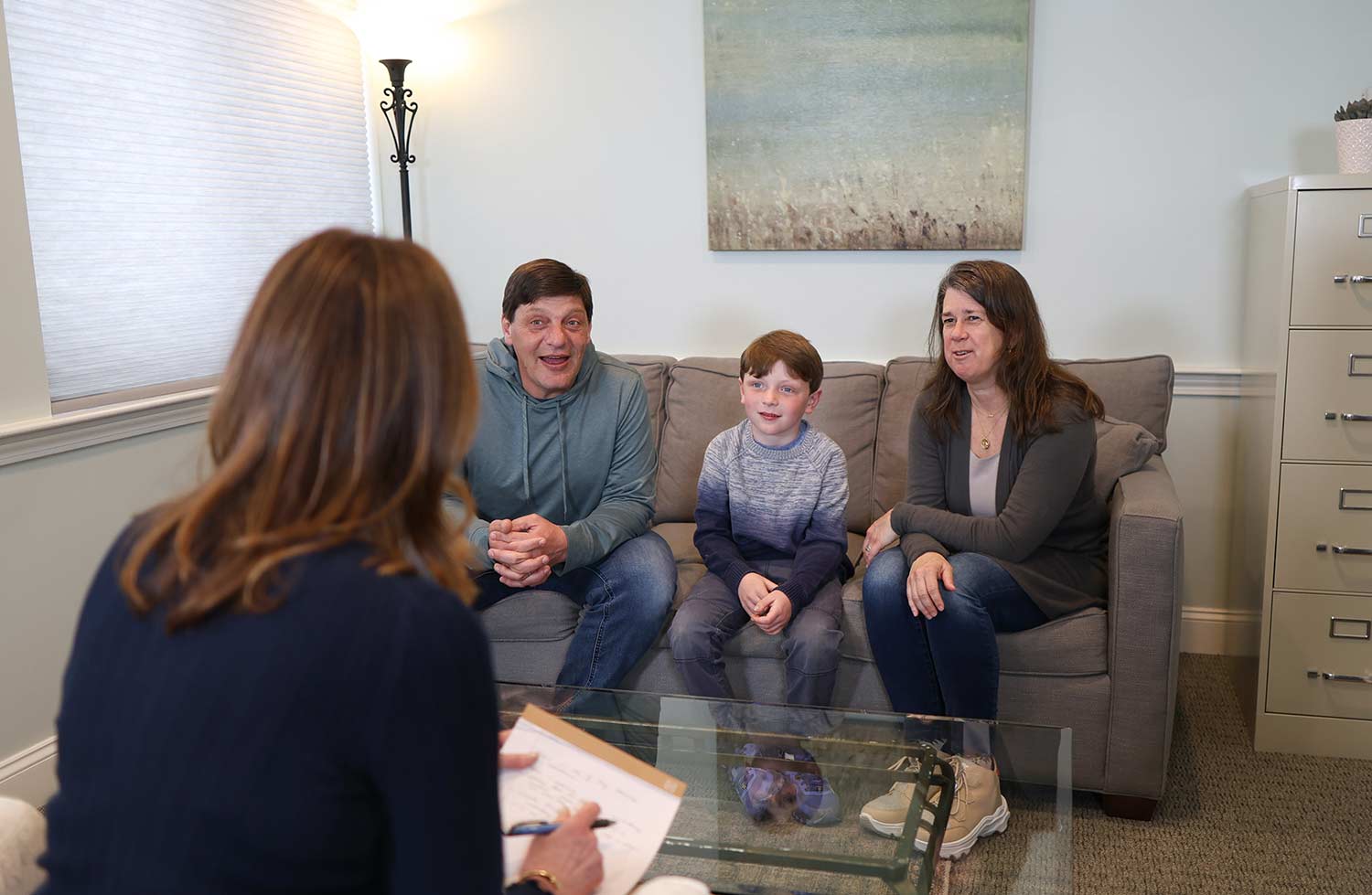
Following the assessment, the clinician meets with the individual and/or parents to review results in a clear, thoughtful, and collaborative feedback session. The goal of this phase is to ensure findings are well understood and translated into meaningful next steps.
Feedback Session
Results are reviewed in plain language, with attention to both strengths and areas of difficulty. For children and adolescents, feedback is shared with parents, and—when appropriate—also with the minor using developmentally appropriate explanations.
Individualized Recommendations
The clinician provides tailored, evidence-based recommendations designed to support functioning across relevant settings, which may include:
- Home and family life
- School or academic environments
- Emotional and behavioral regulation
- Daily living, work, or vocational functioning
Recommendations are designed to be practical, realistic, and actionable — not generic or one-size-fits-all.
Written Report
A comprehensive written report is provided, summarizing findings, diagnoses (when applicable), and recommendations. The report is intended to be useful not only to families, but also to schools, healthcare providers, and other professionals involved in care.
This phase is focused on helping individuals and families leave with a clear understanding of what the results mean—and how to use them moving forward.
Phase 3: Outreach
Purpose: Support implementation and connection
When appropriate, the evaluation extends beyond the feedback session to support implementation of recommendations and coordination of care.
For pediatric evaluations, clinicians may attend school meetings to discuss the results, help determine potential eligibility for an Individual Education Plan (IEP) or 504 plan, and collaborate with educators to help translate findings into meaningful classroom supports.
With permission, findings may also be shared with other professionals involved in care, and referrals may be provided to specialists such as neurologists, psychiatrists, therapists, speech-language pathologists, occupational therapists, tutors, or support services.
Our clinicians are available for follow-up consultations to answer questions, monitor progress, and support next steps as needs change over time.
This phase helps ensure that evaluation findings lead to real-world understanding, alignment, and support.
Ready to Take the Next Step?
If you’re considering a neuropsychological evaluation and want to better understand whether it’s the right fit, we’re here to help guide you through the process.
Contact us or Check out our Frequently Asked Questions.
No obligation — we’re happy to answer questions and help you understand what comes next.
Dr. Rubin has a smooth and complete process of learning and understanding the issues at hand… Her follow-through with recommendations is very helpful and actionable. Also, her willingness to attend school meeting was very helpful and impactful at the school.
— Parent of an 11-year-old